Source w5w shock-resistant license plate light for Cars, Trucks, Vans
Compare 30 verified listings for the w5w shock-resistant license plate light suitable for cars, trucks, and vans. Buyers can evaluate certifications like CCC and E-mark, voltage options, and waterproof ratings to find the right supplier for their needs.
Key considerations
Products List


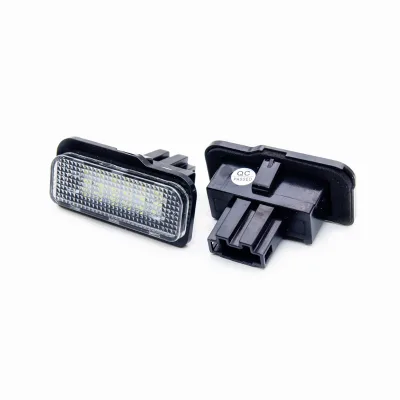
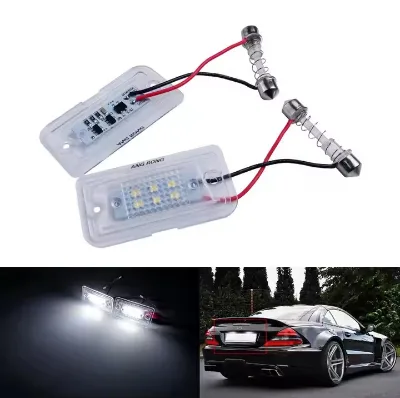
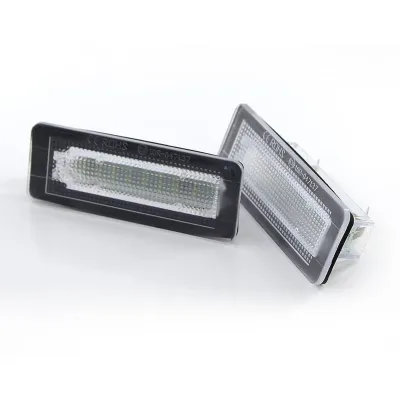
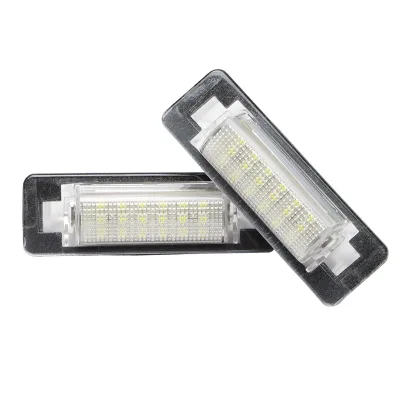
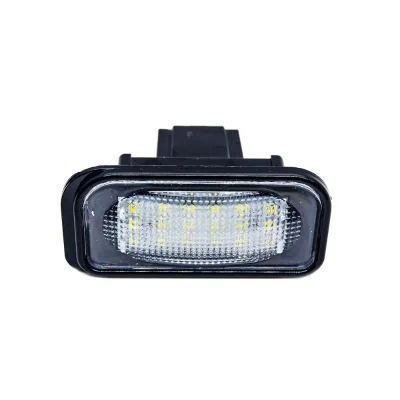
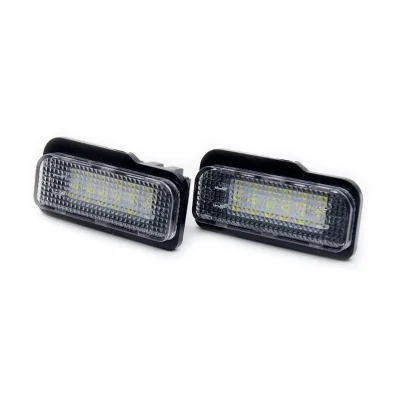


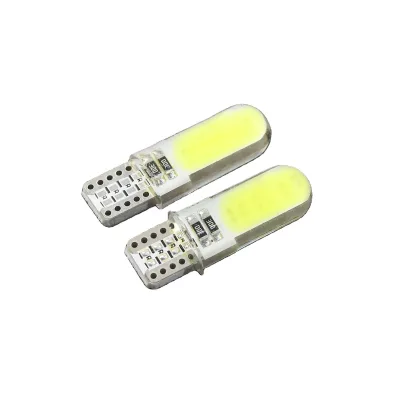
Wholesale Automobile General High Brightness White LED License Plate Light
$1.38 - $1.55
MOQ: 800 Pieces


Factory Price Car High Brightness LED Double Pointed License Plate Light
$0.23 - $0.25
MOQ: 4400 Pieces

Wholesale Car High Brightness Gold LED Double Pointed License Plate Light
$0.50 - $0.56
MOQ: 2000 Pieces


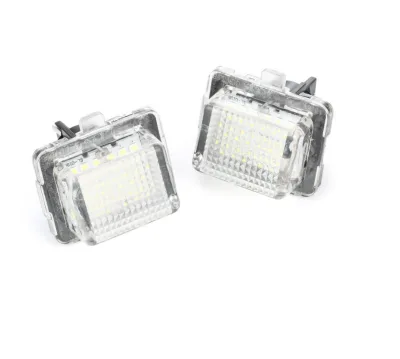
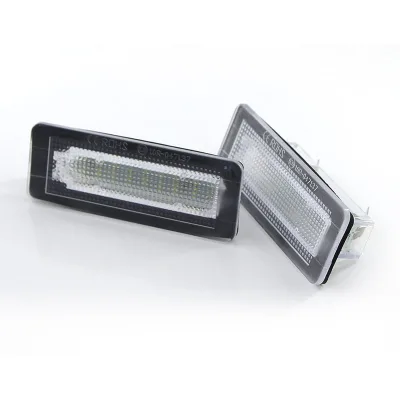


Comprehensive Sourcing Guide
Strategic Sourcing Guide for W5W Shock-Resistant License Plate Lights
Understanding the Core Product Category and Technical Baseline
The procurement of W5W shock-resistant license plate lights requires a precise understanding of the intersection between standard automotive lighting specifications and ruggedized durability requirements. The W5W designation refers to a specific base type and filament structure commonly used for side marker, parking, and license plate illumination in the global automotive aftermarket. When sourcing a shock-resistant variant, the buyer is not merely purchasing a standard illumination unit but a component engineered to withstand the mechanical stresses of vehicle operation, including vibration, road shocks, and potential minor impacts.
Based on the available product data, the material composition is a critical differentiator. High-quality units in this category frequently utilize a combination of Aluminum and PC (Polycarbonate) materials. The aluminum housing provides structural integrity and heat dissipation, while the PC lens offers high impact resistance and optical clarity. This material pairing is essential for achieving the "shock-resistant" attribute observed in the market. Furthermore, the electrical specifications for these units typically align with standard automotive voltage systems, with observed data indicating both 12V and 24V configurations. The 12V variant is standard for most passenger vehicles, while the 24V version is often required for heavy-duty commercial trucks or specific fleet applications.
The power consumption for these LED-based license plate lights generally ranges between 2W and 3W per piece. This low wattage is a significant advantage over traditional incandescent bulbs, offering energy efficiency while maintaining sufficient luminosity for legal compliance. The color temperature is another vital technical parameter; successful sourcing requires units that emit a crisp white light, typically within the 6000K to 6500K range. This spectral output ensures high visibility and a modern aesthetic that matches contemporary vehicle designs. The lifespan of these components is substantial, with observed data suggesting a range of 50,000 to 100,000 hours, which significantly reduces the total cost of ownership by minimizing replacement frequency.
Compliance and Certification Verification Protocols
In the automotive aftermarket, compliance is not optional; it is a prerequisite for market entry and liability protection. When sourcing W5W shock-resistant license plate lights, buyers must rigorously verify the certification status of potential suppliers. The global market for automotive lighting is fragmented, with different regions demanding specific approvals. The data indicates a prevalence of certifications such as CCC (China Compulsory Certification), E-mark, DOT (Department of Transportation), GOST, and SONCAP.
The CCC certification is mandatory for products sold within the Chinese market and is often a baseline indicator of manufacturing quality control. The E-mark certification is the standard for the European Economic Area, ensuring the product meets specific safety and electromagnetic compatibility requirements. DOT certification is critical for the United States market, validating that the lighting meets federal safety standards. The presence of GOST certification suggests suitability for the Eurasian Economic Union, while SONCAP is specific to the Nigerian market. A supplier offering a product with "E-mark and CE" certification provides a strong foundation for European distribution, but buyers must ensure that the specific certification listed matches the target export destination.
It is imperative to treat certification claims as observations that require validation rather than absolute guarantees. Buyers should request valid test reports and certificate numbers from suppliers to confirm that the specific model number, such as LT-402 or LM-406, is covered under the certification. The absence of a specific certification for a target market can lead to customs seizures or legal penalties. Additionally, the "Standard" designation found in product attributes often refers to adherence to general industry norms, but buyers should clarify if this refers to a specific ISO standard or a manufacturer's internal standard. The location of origin, frequently cited as Shanghai or Guangdong, China, provides context for the manufacturing ecosystem but does not substitute for the actual certification documentation.
Cost Drivers and Pricing Structure Analysis
The pricing of W5W shock-resistant license plate lights is influenced by a complex matrix of factors, including material costs, certification expenses, and order volume. The observed price range in the market spans from $0.04 to $7.41 USD. This wide variance indicates that the unit price is highly sensitive to the specific configuration, brand, and order quantity. The lower end of the price spectrum likely corresponds to basic models with standard packaging and minimal certification, while the higher end may reflect premium brands, such as those utilizing Osram components, or units with comprehensive multi-region certifications.
The Minimum Order Quantity (MOQ) is a significant driver of the effective unit cost. The observed MOQ range extends from 2 units to 18,000 units. For small-scale buyers or those testing a new product line, an MOQ of 2 allows for low-risk sampling. However, to achieve the lower price points within the observed range, buyers must be prepared to commit to larger volumes. The relationship between volume and price is standard in B2B procurement; as the order quantity increases, the per-unit cost decreases due to economies of scale in production and logistics.
Other cost drivers include the packaging requirements. Products listed with "PP Bag, Carton, Pallet" packaging configurations may incur higher logistics costs compared to those with simple "Carton" packaging, especially for international shipping. The inclusion of specific brands, such as Osram for the internal components, will also elevate the cost. Buyers should analyze the total landed cost, which includes the unit price, shipping, duties, and insurance, rather than focusing solely on the ex-factory price. The warranty period, typically observed as 1 Year, is also a factor in the overall value proposition, as it reduces the financial risk associated with product failure.
Typical Applications and Vehicle Compatibility
The application scope for W5W shock-resistant license plate lights is broad, covering various vehicle types and usage scenarios. The data explicitly identifies compatibility with major automotive brands such as Benz and Volkswagen. This indicates that these lights are designed to fit a wide array of passenger vehicles, including sedans, SUVs, and luxury cars. The "Easy Installation" attribute is a key selling point, suggesting that these units are designed for retrofit and upgrade purposes, allowing for straightforward replacement of existing lighting fixtures without complex wiring or modification.
The shock-resistant feature makes these lights particularly suitable for vehicles that operate in harsh environments. This includes commercial fleets, off-road vehicles, and vehicles that frequently traverse rough terrain where vibration and impact are common. The waterproof rating, observed as IP67 in some listings, ensures that the lights remain functional in wet conditions, protecting the internal electronics from water ingress. This is crucial for license plate lights, which are often exposed to rain, snow, and car washes.
The "Purpose" attribute, listed as "for retrofit/upgrade," highlights the versatility of these products. They are not limited to original equipment manufacturer (OEM) replacements but are also ideal for aftermarket enhancements. Buyers looking to upgrade the lighting system of a fleet or a specific vehicle model should verify the base type compatibility. The W5W base is standard, but the physical dimensions and mounting points can vary. The observed standard sizes, such as 45.53523.5mm or 166X145X20, provide a reference for physical fitment, but buyers must confirm these dimensions against their specific vehicle requirements.
Supplier Evaluation and Quality Assurance Strategies
Evaluating suppliers for W5W shock-resistant license plate lights requires a multi-dimensional approach that goes beyond price comparison. The first step is to verify the supplier's ability to provide consistent quality across batches. The "Condition" of the product is listed as "New," which is a basic requirement, but buyers should also inquire about the manufacturing process and quality control measures. The presence of a "Standard" product standard suggests a baseline level of quality, but buyers should request details on the specific testing protocols used to verify shock resistance and waterproofing.
The "Customization" attribute being "Available" is a significant advantage for buyers with specific requirements. This could include custom branding, specific color temperatures, or tailored packaging. However, customization often comes with higher MOQs and longer lead times. Buyers should assess the supplier's flexibility and their track record in handling custom orders. The "Brand Name" and "Brand" attributes, such as Hongy or Osram, indicate the level of brand equity the supplier carries. While branded components like Osram bulbs may justify a higher price, buyers should ensure that the branding is authentic and not merely a marketing label.
Logistics and packaging are also critical evaluation criteria. The "prod_packing" attributes, ranging from "PP Bag" to "Pallet," indicate the level of protection provided during transit. For international shipments, palletized packaging is often necessary to prevent damage. The "Single package size" and "Single gross weight" provide essential data for calculating shipping costs and container loading efficiency. Buyers should also consider the "Place of Origin," with Shanghai and Guangdong being prominent manufacturing hubs in China. These regions have mature supply chains, but buyers should verify the specific factory location to ensure it aligns with their ethical sourcing policies.
Long-Term Procurement and Lifecycle Management
Sourcing W5W shock-resistant license plate lights is not a one-time transaction but part of a long-term supply chain strategy. The "Lifespan" of 50,000 to 100,000 hours suggests that these products are designed for longevity, reducing the frequency of replacement and maintenance. However, buyers must consider the potential for obsolescence as vehicle models evolve. The "Car Make" compatibility data, such as Benz and Volkswagen, indicates that these lights are designed for specific vehicle generations. Buyers should plan for the possibility of needing different models or base types as their inventory or customer base changes.
The "Warranty" of 1 Year is a standard industry offering, but buyers should negotiate terms that extend beyond this period or include clear protocols for claims. A robust warranty program can mitigate the risk of defects and build trust with end-users. Additionally, the "Voltage" specifications of 12V and 24V mean that buyers must maintain a diverse inventory to serve different vehicle types. Stocking both voltage variants can prevent supply chain disruptions when serving a mixed fleet.
Finally, buyers should monitor the market for changes in certification requirements and standards. As regulations evolve, the "E-mark" or "DOT" certifications may need to be updated or supplemented with new approvals. Maintaining a close relationship with suppliers who are proactive about regulatory changes can provide a competitive advantage. The "Installation" ease and "Purpose" of retrofitting suggest that these products will remain relevant as long as there is a demand for vehicle upgrades and maintenance. By focusing on quality, compliance, and supply chain resilience, buyers can secure a reliable source for W5W shock-resistant license plate lights that meets their long-term business objectives.
Comparative Analysis of Product Attributes
To facilitate decision-making, the following table summarizes the key attributes observed in the market for W5W shock-resistant license plate lights. This comparison highlights the variability in specifications and helps buyers identify the features most relevant to their specific needs.
| Attribute Category | Observed Variations | Key Considerations for Buyers |
|---|---|---|
| Certification | CCC, E-mark, DOT, GOST, SONCAP, CE | Verify certification matches target export market. |
| Material | Aluminum + PC | Essential for shock resistance and heat dissipation. |
| Voltage | 12V, 24V | Match to vehicle electrical system (passenger vs. commercial). |
| Power | 2W, 3W | Lower wattage indicates LED efficiency; verify brightness. |
| Waterproof Rating | IP67, Waterproof | Critical for outdoor exposure and longevity. |
| Base Type | W5W, P21W | Confirm physical fitment with vehicle socket. |
| Color Temperature | 6000-6500K | Ensures white light output for visibility and aesthetics. |
| Lifespan | 50,000-100,000 Hours | High durability reduces replacement frequency. |
| Packaging | PP Bag, Carton, Pallet | Impacts shipping costs and product protection. |
| Origin | Shanghai, Guangdong, China | Indicates manufacturing hub and supply chain maturity. |
| Price Range | $0.04 - $7.41 USD | Highly dependent on MOQ and certification level. |
| MOQ | 2 - 18,000 units | Higher volumes yield lower unit costs. |
This comparative overview underscores the importance of aligning product specifications with procurement goals. By carefully evaluating these attributes, buyers can select the optimal W5W shock-resistant license plate lights that balance cost, quality, and compliance for their specific application.
FAQs
What certifications are available for these lights?
Available certifications include CCC, E-mark, DOT, GOST, and SONCAP. Buyers must verify that the specific model number is covered under the requested certification for their target market to ensure compliance and avoid customs issues.
Which materials are used for shock resistance?
High-quality units typically use an Aluminum and PC combination. The aluminum housing provides structural integrity and heat dissipation, while the polycarbonate lens offers high impact resistance essential for shock-resistant applications.
Can these lights be customized for specific needs?
Yes, customization is available for specific requirements. Buyers should note that custom orders may involve higher minimum order quantities and longer lead times compared to standard configurations.
How long is the typical product lifespan?
The observed lifespan ranges from 50,000 to 100,000 hours. This extended durability significantly reduces the total cost of ownership by minimizing the frequency of replacements needed for fleet or vehicle maintenance.
What is the price range for these lights?
The observed price range spans from 0.04 to 7.41 USD per unit. The final cost depends heavily on the specific configuration, brand components, and the volume of the order placed.
Where are these products typically manufactured?
Products originate from locations such as Shanghai and Guangdong in China. These regions offer mature supply chains, but buyers should verify specific factory locations to align with ethical sourcing policies.